

Hey there! I'm a supplier of PVDF Heat Shrink Tube, and today I wanna talk about how this amazing product performs in a sand - laden environment.
First off, let's get to know PVDF Heat Shrink Tube a bit better. PVDF, or polyvinylidene fluoride, is a high - performance thermoplastic polymer. The PVDF Heat Shrink Tube is made from this material, and it has some pretty cool properties. It's got excellent chemical resistance, good mechanical strength, and it's also flame - retardant. These features make it a popular choice in a lot of industries, from electronics to aerospace.
Now, let's dive into the sand - laden environment. You know, places like deserts, some coastal areas, or industrial sites where sand is flying around. In such an environment, materials face a whole bunch of challenges. The sand particles are abrasive, and they can wear down surfaces over time. They can also get into small gaps and cause blockages or malfunctions in equipment.
So, how does PVDF Heat Shrink Tube hold up in this tough situation?
Abrasion Resistance
One of the most important aspects is its abrasion resistance. The surface of PVDF Heat Shrink Tube is quite tough. The polymer structure gives it the ability to withstand the constant rubbing and scraping from sand particles. Unlike some other materials that might start to show signs of wear after just a short exposure to sand, PVDF Heat Shrink Tube can keep going for a long time.
For example, in an industrial setting where there's a lot of sand dust in the air, if you use PVDF Heat Shrink Tube to protect wires and cables, it'll prevent the sand from wearing through the insulation. This is crucial because once the insulation is damaged, it can lead to short - circuits or other electrical problems.
Sealing Performance
Another key factor is its sealing performance. When the PVDF Heat Shrink Tube is heated and shrinks around an object, it forms a tight seal. This is really important in a sand - laden environment because it stops sand from getting inside.

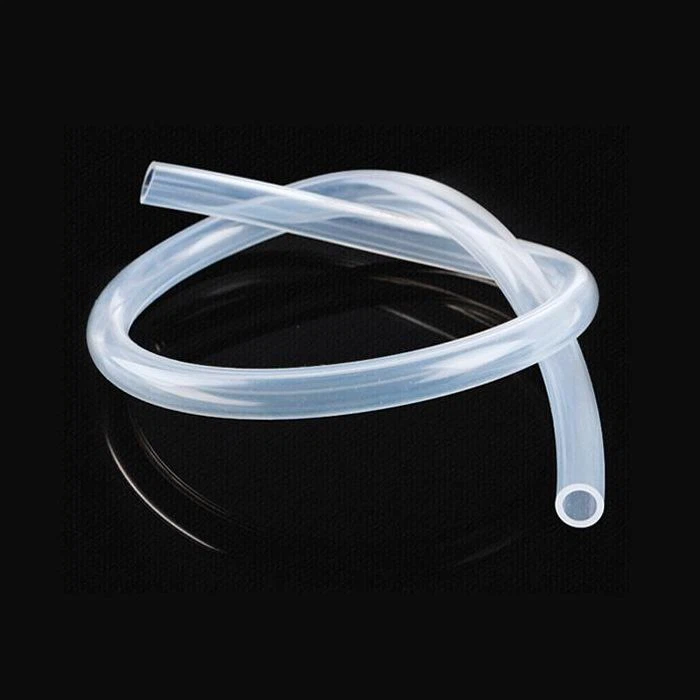
Let's say you're using it to protect a connector. The tight seal created by the tube keeps sand out, which means the connection remains stable and reliable. In a desert - based communication system, for instance, using PVDF Heat Shrink Tube to seal connectors can prevent sand from interfering with the signal transmission.
Chemical Stability
In addition to abrasion and sealing, the chemical stability of PVDF Heat Shrink Tube is also a big plus. Sand can sometimes carry various chemicals and minerals, and these substances might react with some materials. But PVDF is highly resistant to a wide range of chemicals. So, even if the sand has some acidic or alkaline components, the tube won't be affected.
This chemical stability ensures that the tube maintains its physical and mechanical properties over time. It won't break down or become brittle due to chemical reactions with the sand or other substances in the environment.
Comparison with Other Heat Shrink Tubes
It's also interesting to compare PVDF Heat Shrink Tube with other types of heat shrink tubes in a sand - laden environment. Take PTFE Heat Shrink Tube for example. PTFE tubes are also known for their chemical resistance, but they can be a bit more expensive. PVDF Heat Shrink Tube offers a good balance between performance and cost. It provides similar levels of protection against sand and chemicals at a more affordable price.
And then there's the Waterproof Heat Shrink Tube. While waterproof tubes are great for keeping water out, they might not have the same level of abrasion resistance as PVDF Heat Shrink Tube. In a sand - laden environment, where abrasion is a major concern, PVDF tubes are often a better choice.
Real - World Applications
In real - world applications, PVDF Heat Shrink Tube has proven its worth in many sand - prone areas. In the oil and gas industry, where drilling operations often take place in sandy deserts, the tube is used to protect cables and wires in drilling equipment. The abrasion resistance and sealing properties ensure that the electrical systems remain functional even in the harshest of conditions.
In the automotive industry, especially in regions with sandy roads, PVDF Heat Shrink Tube can be used to protect wiring harnesses. This helps to prevent sand - related damage and extends the lifespan of the electrical components in the vehicle.
Tips for Using PVDF Heat Shrink Tube in a Sand - Laden Environment
If you're planning to use PVDF Heat Shrink Tube in a sand - laden environment, here are a few tips. First, make sure to clean the surface of the object you're going to cover before applying the tube. Any sand or debris on the surface can prevent the tube from forming a proper seal.
Second, use the right heating method. Overheating the tube can cause it to lose some of its properties, while under - heating might result in a loose seal. Follow the manufacturer's instructions carefully to get the best results.
Conclusion
All in all, PVDF Heat Shrink Tube performs really well in a sand - laden environment. Its abrasion resistance, sealing performance, and chemical stability make it a reliable choice for protecting various components. Whether you're in the industrial, automotive, or any other sector that deals with sandy conditions, it can be a great solution.
If you're interested in learning more about PVDF Heat Shrink Tube or if you're looking to make a purchase, feel free to reach out. We're here to help you find the best product for your specific needs.
References
- ASTM International standards on heat shrink tube performance.
- Industry reports on the use of PVDF in harsh environments.
- Case studies from companies using PVDF Heat Shrink Tube in sand - laden areas.