

Hey there! As a heat shrink tubing supplier, I've seen firsthand how this nifty product can be a game - changer when it comes to protecting wires from corrosion. So, let's dive right in and explore how heat shrink tubing does its magic.
First off, what exactly is corrosion? Well, corrosion is basically the deterioration of a material (in our case, wires) due to chemical reactions with its environment. Wires, especially those made of metals like copper or aluminum, are prone to corrosion when they're exposed to moisture, oxygen, and certain chemicals. This can lead to a whole bunch of problems, such as reduced conductivity, short circuits, and even complete failure of the electrical system.
So, how does heat shrink tubing step in and save the day?

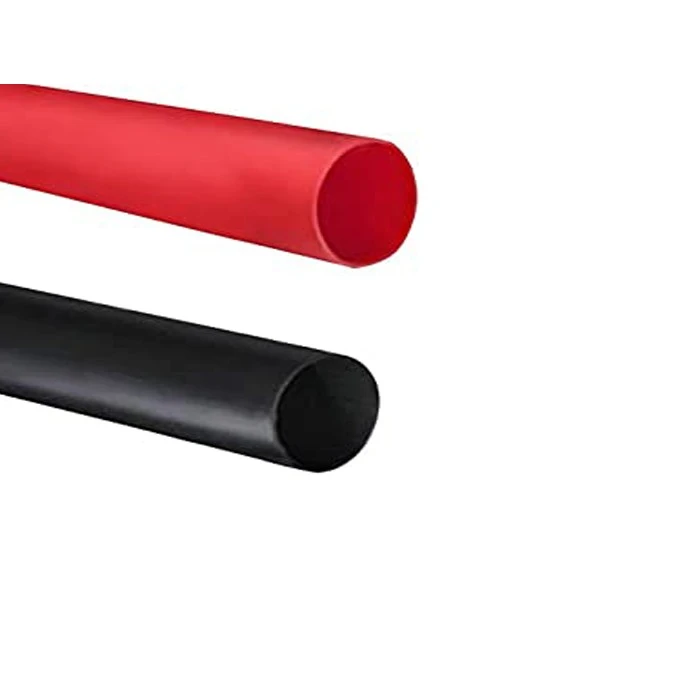
Physical Barrier
One of the main ways heat shrink tubing protects wires is by creating a physical barrier. When you heat the tubing, it shrinks tightly around the wire, forming a snug fit. This tight seal acts like a shield, preventing moisture, dust, and other contaminants from reaching the wire's surface.
Think of it like a raincoat for your wires. Just like a well - fitting raincoat keeps you dry in the rain, heat shrink tubing keeps your wires dry and free from the elements that cause corrosion. Whether the wires are installed outdoors in a harsh environment or indoors in a damp basement, the physical barrier provided by heat shrink tubing can significantly extend their lifespan.
For example, if you have wires running through an area with high humidity, such as a coastal region, the moisture in the air can quickly corrode the exposed wires. But if you've covered those wires with heat shrink tubing, the tubing will block the moisture from getting to the wire, thus preventing corrosion.
Chemical Resistance
Another important aspect is the chemical resistance of heat shrink tubing. Different types of heat shrink tubing are made from various materials, each with its own set of chemical resistance properties.
Some heat shrink tubings are designed to resist common chemicals like acids, alkalis, and solvents. This is crucial in industrial settings where wires may be exposed to these chemicals during the manufacturing process. For instance, in a chemical plant, wires used in control systems need to be protected from the corrosive effects of the chemicals being handled. By using a Pressure Resistant Heat Shrink Tube with high chemical resistance, you can ensure that the wires remain intact and functional for a long time.
Electrical Insulation
Heat shrink tubing also provides electrical insulation, which indirectly helps in preventing corrosion. When wires are properly insulated, the chances of electrical leakage are minimized. Electrical leakage can cause electrolysis, a process that accelerates corrosion.
By using heat shrink tubing as an insulator, you're reducing the risk of electrolysis and, consequently, corrosion. This is especially important in high - voltage applications where even a small amount of electrical leakage can have serious consequences.
Inner Adhesive Feature
Some heat shrink tubings, like the Inner Adhesive Heat Shrink Tube, come with an inner layer of adhesive. When the tubing is heated and shrinks, the adhesive melts and bonds to the wire and the tubing itself.
This adhesive layer not only provides an extra - strong seal but also helps in filling any small gaps or voids around the wire. This is important because even the tiniest gap can allow moisture to seep in and start the corrosion process. The adhesive acts as an additional barrier, making the protection against corrosion even more effective.
Different Types for Different Needs
There are various types of heat shrink tubing available to meet different requirements. For example, the EVA Heat Shrink Tube is known for its flexibility and good insulation properties. It's often used in applications where the wires need to be bent or flexed frequently, such as in automotive wiring harnesses.
The flexibility of the EVA heat shrink tube allows it to conform to the shape of the wire without cracking or breaking, maintaining the protective barrier even under movement. This is important because if the tubing cracks, it can expose the wire to the corrosive environment.
Installation Process
The installation of heat shrink tubing is relatively simple, which is another reason why it's so popular for wire protection. All you need is a heat source, such as a heat gun or a lighter (although a heat gun is recommended for more precise and even heating).
First, you cut the heat shrink tubing to the appropriate length. Then, you slide it over the wire. Once it's in place, you apply heat evenly around the tubing. As the temperature rises, the tubing starts to shrink. You need to make sure that the shrinkage is uniform to ensure a proper seal.
After the tubing has shrunk completely and cooled down, it forms a tight, protective layer around the wire. This simple installation process means that you can quickly and easily protect your wires from corrosion, whether you're a professional electrician or a DIY enthusiast.
Cost - Effective Solution
When it comes to protecting wires from corrosion, heat shrink tubing is a cost - effective solution. Compared to other methods of wire protection, such as using expensive corrosion - resistant coatings or enclosures, heat shrink tubing is relatively inexpensive.
It's also easy to install, which means you don't have to spend a lot of time or money on labor. Additionally, because it extends the lifespan of the wires, you'll save money in the long run by reducing the need for frequent wire replacements.
Conclusion
So, there you have it! Heat shrink tubing is an excellent way to protect wires from corrosion. It creates a physical barrier, offers chemical resistance, provides electrical insulation, and can have an inner adhesive layer for an extra - strong seal. With different types available to suit various needs, easy installation, and cost - effectiveness, it's a no - brainer for anyone looking to safeguard their wires.
If you're in the market for high - quality heat shrink tubing, I'd love to have a chat with you. Whether you're working on a small DIY project or a large - scale industrial application, we've got the right heat shrink tubing for you. Reach out to us to start a conversation about your specific needs and let's find the perfect solution together.
References
- "Electrical Wiring Handbook", various editions
- "Corrosion Science and Engineering" textbooks