

PVDF (Polyvinylidene Fluoride) heat shrink tubes have gained significant attention in various industries due to their unique properties. As a leading supplier of PVDF heat shrink tubes, I often receive inquiries about their suitability for aerospace applications. In this blog post, I will delve into the characteristics of PVDF heat shrink tubes and explore whether they can be effectively used in the aerospace sector.
Understanding PVDF Heat Shrink Tubes
PVDF is a high-performance fluoropolymer known for its exceptional chemical resistance, mechanical strength, and thermal stability. PVDF heat shrink tubes are manufactured by extruding PVDF resin into a tubular shape and then expanding it under controlled conditions. When heated, these tubes shrink back to their original diameter, providing a tight and secure fit around the object they encase.
One of the key advantages of PVDF heat shrink tubes is their excellent chemical resistance. They can withstand exposure to a wide range of chemicals, including fuels, solvents, and hydraulic fluids, which are commonly found in aerospace environments. This makes them ideal for protecting wires, cables, and other components from chemical corrosion and degradation.
In addition to chemical resistance, PVDF heat shrink tubes also offer good mechanical properties. They have high tensile strength and flexibility, allowing them to withstand mechanical stress and vibration without cracking or breaking. This is crucial in aerospace applications, where components are often subjected to harsh operating conditions.
Another important characteristic of PVDF heat shrink tubes is their thermal stability. They can operate at high temperatures for extended periods without losing their physical properties. This makes them suitable for use in aerospace systems that generate a significant amount of heat, such as engines and avionics.
Aerospace Requirements and PVDF Heat Shrink Tubes
The aerospace industry has strict requirements for materials used in aircraft and spacecraft. These requirements are driven by the need for safety, reliability, and performance in extreme environments. Let's examine some of the key requirements and how PVDF heat shrink tubes meet them.
Flame Resistance
Aerospace components must meet stringent flame resistance standards to prevent the spread of fire in the event of an accident. PVDF heat shrink tubes have excellent flame retardant properties, which means they do not support combustion and will self-extinguish when the source of ignition is removed. This makes them a safe choice for aerospace applications where fire safety is a top priority.
Electrical Insulation
Wires and cables in aerospace systems need to be properly insulated to prevent electrical short circuits and ensure reliable operation. PVDF heat shrink tubes have high dielectric strength, which means they can effectively insulate electrical conductors and prevent the flow of current between them. This helps to protect the electrical system from damage and ensures the safety of the aircraft or spacecraft.
Environmental Resistance
Aerospace components are exposed to a variety of environmental conditions, including extreme temperatures, humidity, and radiation. PVDF heat shrink tubes are highly resistant to these environmental factors, making them suitable for use in both high and low temperature environments. They also have good resistance to ultraviolet (UV) radiation, which can cause degradation of other materials over time.
Lightweight
Weight is a critical factor in aerospace design, as reducing weight can improve fuel efficiency and increase payload capacity. PVDF heat shrink tubes are relatively lightweight compared to other materials, which makes them an attractive option for aerospace applications where weight savings are important.
Applications of PVDF Heat Shrink Tubes in Aerospace
Based on their properties and the requirements of the aerospace industry, PVDF heat shrink tubes can be used in a variety of aerospace applications. Some of the common applications include:
Wire and Cable Protection
PVDF heat shrink tubes are widely used to protect wires and cables in aerospace systems. They provide a protective barrier against chemical corrosion, mechanical damage, and electrical interference. By using PVDF heat shrink tubes, the lifespan of wires and cables can be extended, and the reliability of the electrical system can be improved.
Component Encapsulation
In aerospace applications, it is often necessary to encapsulate components to protect them from the environment and ensure their proper functioning. PVDF heat shrink tubes can be used to encapsulate sensors, connectors, and other components, providing a tight and secure seal. This helps to prevent moisture, dust, and other contaminants from entering the components and causing damage.
High-Temperature Applications
As mentioned earlier, PVDF heat shrink tubes have excellent thermal stability, which makes them suitable for use in high-temperature aerospace applications. They can be used to insulate and protect components in engines, avionics, and other systems that generate a significant amount of heat.
Specialized Applications
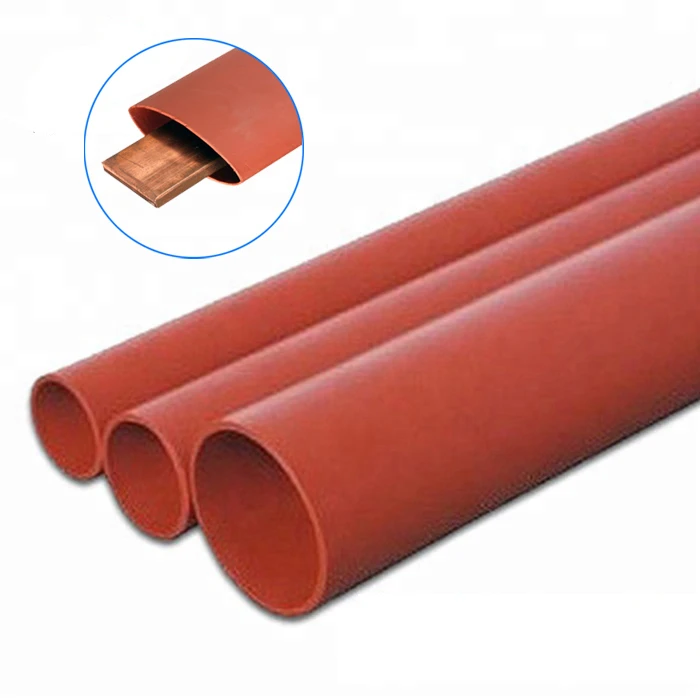
In addition to the above applications, PVDF heat shrink tubes can also be used in specialized aerospace applications. For example, they can be used to create Special Shaped Heat Shrink Tube for unique component geometries, or High Pressure Heat Shrink Tube for applications where high pressure resistance is required.

Comparison with Other Heat Shrink Tubes
While PVDF heat shrink tubes offer many advantages for aerospace applications, it is important to compare them with other types of heat shrink tubes to determine the best fit for a specific application. Two common alternatives to PVDF heat shrink tubes are polyolefin heat shrink tubes and high-pressure heat shrink tubes.
Polyolefin Heat Shrink Tubes
Polyolefin Heat Shrink Tube are widely used in various industries due to their low cost and good general-purpose properties. However, they have limited chemical resistance and thermal stability compared to PVDF heat shrink tubes. In aerospace applications where exposure to chemicals and high temperatures is common, PVDF heat shrink tubes are a better choice.
High-Pressure Heat Shrink Tubes
High Pressure Heat Shrink Tube are designed to withstand high pressures and are often used in hydraulic and pneumatic systems. While PVDF heat shrink tubes also have good mechanical strength, they may not be specifically designed for high-pressure applications. Therefore, in applications where high pressure resistance is the primary requirement, high-pressure heat shrink tubes may be more suitable.
Conclusion
In conclusion, PVDF heat shrink tubes have many properties that make them suitable for aerospace applications. Their excellent chemical resistance, mechanical strength, thermal stability, flame retardancy, and electrical insulation properties meet the strict requirements of the aerospace industry. They can be used to protect wires and cables, encapsulate components, and provide insulation in high-temperature environments.
However, it is important to note that the suitability of PVDF heat shrink tubes for a specific aerospace application depends on various factors, such as the operating conditions, the specific requirements of the system, and the cost. Therefore, it is recommended to consult with a technical expert or a PVDF heat shrink tube supplier to determine the best solution for your aerospace application.
If you are interested in learning more about PVDF heat shrink tubes or have specific requirements for your aerospace project, please feel free to contact us. Our team of experts will be happy to assist you in selecting the right product and providing you with the necessary technical support.
References
- "Handbook of Fluoropolymer Science and Technology" by Harry L. Hsieh and Roderic P. Quirk
- "Aerospace Materials and Processes" by John R. Davis
- "Heat Shrinkable Products: Technology and Applications" by R. A. Weiss and C. K. Ober