

As a seasoned supplier of heat shrink tubing, I'm often asked whether heat shrink tubing can be used for control cables. The answer is a resounding yes, and in this blog, I'll delve into the reasons, benefits, and considerations when using heat shrink tubing for control cables.
Understanding Control Cables
Control cables are an integral part of various electrical and electronic systems. They are used to transmit control signals, commands, and data between different components of a system. These cables are commonly found in industrial automation, machinery, transportation, and building management systems. Given their critical role, protecting control cables from environmental factors, mechanical damage, and electrical interference is of utmost importance.
The Role of Heat Shrink Tubing
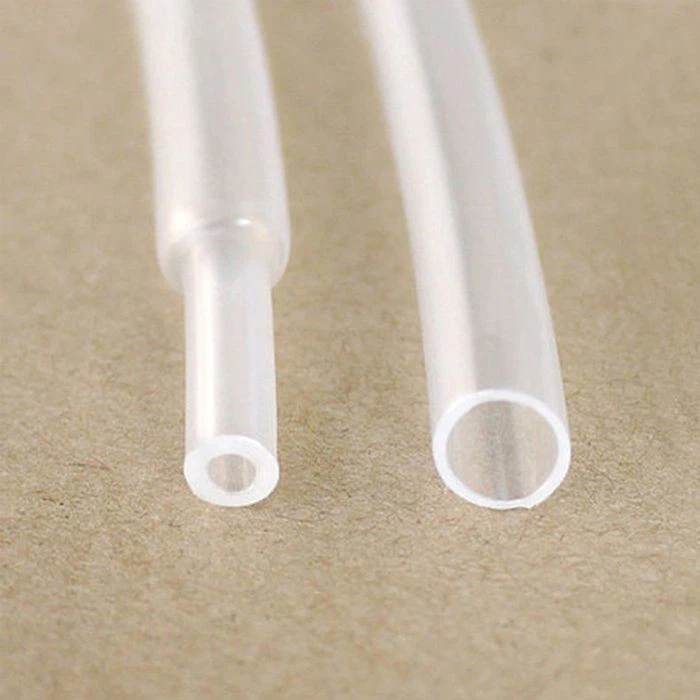
Heat shrink tubing is a versatile product made from polymer materials that shrink when exposed to heat. When heated, the tubing reduces in diameter and conforms tightly to the shape of the object it covers, creating a protective barrier. This property makes it an ideal solution for protecting control cables.
Protection Against Environmental Factors
Control cables are often exposed to harsh environmental conditions, such as moisture, chemicals, and UV radiation. Heat shrink tubing provides a reliable barrier against these elements. For example, Gray Heat Shrink is designed to resist water, dust, and chemicals, ensuring that the control cables remain protected even in challenging environments. This protection helps to prevent corrosion and degradation of the cable insulation, which can lead to electrical failures and system downtime.
Mechanical Protection
In addition to environmental factors, control cables are also susceptible to mechanical damage, such as abrasion, cuts, and impacts. Heat shrink tubing adds an extra layer of protection to the cables, reducing the risk of physical damage. The tubing's flexible and durable nature allows it to absorb shocks and vibrations, protecting the cables from the wear and tear associated with normal use.
Electrical Insulation
Heat shrink tubing also provides excellent electrical insulation. It helps to prevent short circuits and electrical interference by isolating the conductors within the control cables. This is particularly important in high-voltage or high-frequency applications, where electrical interference can cause signal distortion and system malfunctions.
Types of Heat Shrink Tubing for Control Cables
There are several types of heat shrink tubing available, each with its own unique properties and applications. When choosing heat shrink tubing for control cables, it's important to consider the specific requirements of the application.
EVA Heat Shrink Tube
EVA Heat Shrink Tube is a popular choice for control cables due to its flexibility, low shrink temperature, and excellent adhesion. EVA tubing is resistant to water, chemicals, and UV radiation, making it suitable for both indoor and outdoor applications. It also has good electrical insulation properties, ensuring reliable performance in electrical systems.
PVDF Heat Shrink Tube
PVDF Heat Shrink Tube is another option for control cables, especially in applications where high temperature resistance and chemical resistance are required. PVDF tubing can withstand temperatures up to 175°C and is resistant to a wide range of chemicals, including acids, bases, and solvents. This makes it ideal for use in harsh industrial environments.
Installation Considerations
Proper installation of heat shrink tubing is crucial to ensure its effectiveness in protecting control cables. Here are some key considerations:
Size Selection
Choosing the right size of heat shrink tubing is essential. The tubing should have a diameter that is slightly larger than the cable or bundle of cables it will cover. This allows for easy installation and ensures a snug fit after shrinking.
Heating Method
Heat shrink tubing can be shrunk using a variety of heating methods, including heat guns, ovens, and induction heaters. The heating method should be chosen based on the size and type of tubing, as well as the application. It's important to follow the manufacturer's instructions for heating to ensure proper shrinking and avoid overheating or damaging the tubing.
Preparation
Before installing the heat shrink tubing, the cables should be cleaned and dried to ensure good adhesion. Any dirt, grease, or moisture on the cables can prevent the tubing from shrinking properly and may reduce its effectiveness.

Conclusion
In conclusion, heat shrink tubing is an excellent choice for protecting control cables. It provides reliable protection against environmental factors, mechanical damage, and electrical interference, ensuring the long-term performance and reliability of the cables. As a heat shrink tubing supplier, I offer a wide range of products, including Gray Heat Shrink, EVA Heat Shrink Tube, and PVDF Heat Shrink Tube, to meet the diverse needs of different applications.
If you're looking for high-quality heat shrink tubing for your control cables, I encourage you to contact me to discuss your specific requirements. I can provide you with expert advice and guidance to help you choose the right product for your application. Let's work together to ensure the protection and performance of your control cables.
References
- "Heat Shrink Tubing: A Comprehensive Guide," Electrical Engineering Handbook
- "Control Cables: Design, Installation, and Maintenance," Industrial Automation Magazine
- Manufacturer's specifications for Gray Heat Shrink, EVA Heat Shrink Tube, and PVDF Heat Shrink Tube