

Can Gray Heat Shrink be used for woodworking?
As a supplier of gray heat shrink, I often get asked about the various applications of our product. One question that has come up more frequently lately is whether gray heat shrink can be used for woodworking. In this blog post, I'll explore this topic in detail, looking at the properties of gray heat shrink, the requirements of woodworking, and the potential benefits and limitations of using gray heat shrink in woodworking projects.
Understanding Gray Heat Shrink
Gray heat shrink is a type of thermoplastic tubing that shrinks when exposed to heat. It is made from materials such as polyolefin, which has excellent electrical insulation properties, chemical resistance, and mechanical strength. When heated, the tubing contracts radially, conforming tightly to the shape of the object it covers. This makes it ideal for a wide range of applications, including electrical insulation, cable bundling, and protection against abrasion and environmental factors.
The gray color of the heat shrink is not just for aesthetics; it can also provide some practical benefits. Gray is a neutral color that can blend in well with many different environments, making it suitable for applications where a less obtrusive appearance is desired. Additionally, in some cases, the gray color may offer better UV resistance compared to other colors, which can be important for outdoor applications.
Requirements of Woodworking
Woodworking involves a variety of processes, including cutting, shaping, joining, and finishing wood to create functional or decorative items. The materials used in woodworking need to be compatible with wood and able to withstand the conditions and stresses associated with the woodworking process.
One of the key requirements in woodworking is protection. Wood can be vulnerable to damage from moisture, scratches, and insects. Finishes such as varnishes, paints, and stains are commonly used to protect the wood and enhance its appearance. Another important aspect is joining wood pieces together securely. This can be achieved through various methods such as nails, screws, glue, and dowels.
Potential Benefits of Using Gray Heat Shrink in Woodworking
Protection
Gray heat shrink can provide an additional layer of protection for wood. It can act as a barrier against moisture, preventing the wood from warping, rotting, or developing mold. The tight fit of the heat shrink can also protect the wood from scratches and abrasions, especially in areas where the wood is likely to come into contact with other objects.
For example, if you are making a wooden box, you could use gray heat shrink to cover the edges and corners of the box. This would not only protect the wood but also give the box a more professional and finished look.
Aesthetics
As mentioned earlier, the gray color of the heat shrink can blend in well with wood, creating a harmonious and attractive appearance. It can be used to add a subtle accent or to cover imperfections in the wood. For instance, if you have a piece of wood with a small crack or knot, you could use gray heat shrink to cover it up, turning a potential flaw into a unique feature.
Joining and Reinforcement
Gray heat shrink can also be used to reinforce joints in woodworking. By wrapping the heat shrink around a joint, such as a dowel joint or a miter joint, you can provide additional strength and stability. The heat shrink can help to hold the joint together and prevent it from coming apart under stress.
Limitations of Using Gray Heat Shrink in Woodworking
Adhesion
One of the main challenges of using gray heat shrink in woodworking is ensuring proper adhesion. Wood has a porous surface, which can make it difficult for the heat shrink to bond securely. To overcome this, you may need to use an adhesive or primer to improve the adhesion between the heat shrink and the wood.
Heat Resistance of Wood
Wood is a combustible material, and excessive heat can cause it to char or catch fire. When using gray heat shrink, you need to be careful not to overheat the wood. This means using a heat source that can provide a controlled amount of heat and monitoring the temperature closely during the shrinking process.
Compatibility with Finishes
If you plan to apply a finish to the wood after using gray heat shrink, you need to make sure that the heat shrink is compatible with the finish. Some finishes may not adhere well to the heat shrink, or the heat shrink may be affected by the chemicals in the finish.

Other Heat Shrink Options for Woodworking
In addition to gray heat shrink, there are other types of heat shrink that may also be suitable for woodworking.
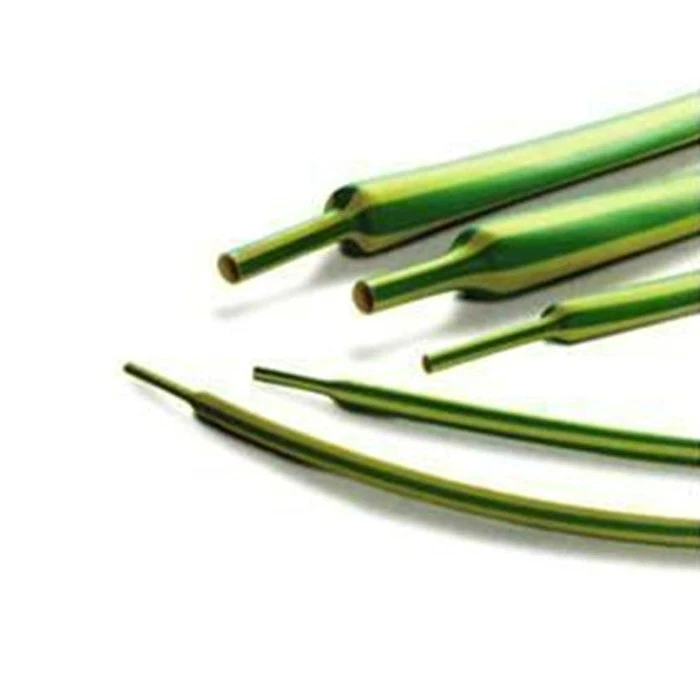
- Yellow-green Heat Shrink Tube: This type of heat shrink tube offers a unique color option that can be used to create a more vibrant or eye-catching look in woodworking projects. It may also have similar properties to gray heat shrink in terms of protection and shrinkage.
- PTFE Heat Shrink Tube: PTFE heat shrink tube has excellent chemical resistance and high-temperature resistance. It can be used in woodworking applications where the wood may be exposed to harsh chemicals or high temperatures.
- High Pressure Heat Shrink Tube: This type of heat shrink tube is designed to withstand high pressures. It can be used to reinforce joints or provide extra protection in woodworking projects where the wood may be subjected to significant stress.
Conclusion
In conclusion, gray heat shrink can be used for woodworking, but it has both benefits and limitations. It can provide protection, enhance aesthetics, and reinforce joints, but you need to be aware of the challenges such as adhesion, heat resistance, and compatibility with finishes.
If you are interested in using gray heat shrink or any of our other heat shrink products for your woodworking projects, I encourage you to contact us to discuss your specific needs. Our team of experts can provide you with more information, samples, and guidance on how to use our products effectively. Whether you are a professional woodworker or a hobbyist, we are committed to helping you find the right heat shrink solution for your projects.
References
- Woodworking Basics: A Guide to Essential Skills and Techniques. Author: [Author Name], Publisher: [Publisher Name], Year: [Year]
- Heat Shrink Tubing: Properties, Applications, and Installation. Author: [Author Name], Publisher: [Publisher Name], Year: [Year]