

Hey there! As a supplier of Corrugated PE Pipe, I often get asked about the differences in performance between corrugated PE pipe and HDPE pipe. So, I thought I'd write this blog to share my insights and help you understand which one might be the best fit for your project.
Structure and Design
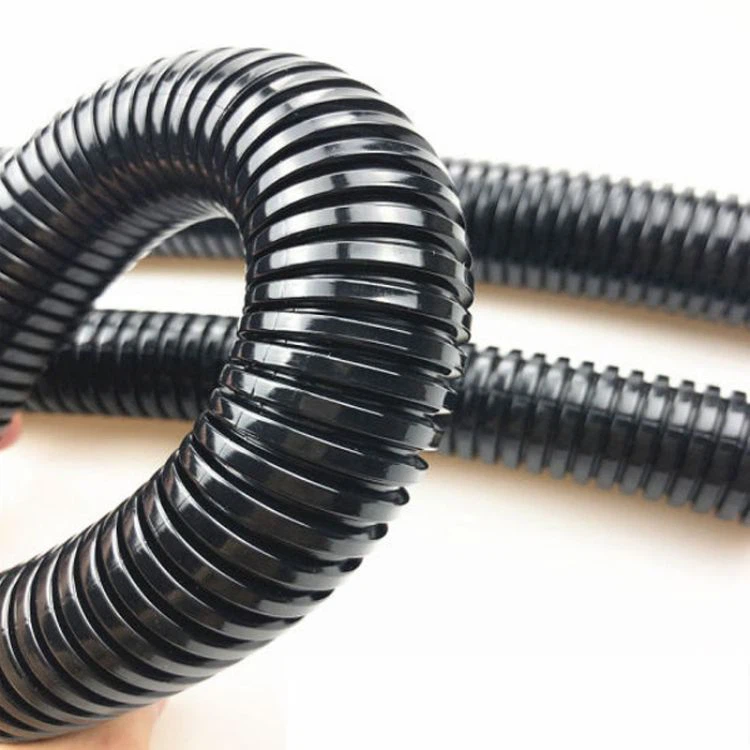
First off, let's talk about the structure. Corrugated PE pipes have a unique corrugated design. This wavy structure gives them some distinct advantages. It makes the pipes more flexible compared to HDPE pipes. You can easily bend them around corners and obstacles without having to use a bunch of fittings. This flexibility also comes in handy during installation, as it can save you time and effort.
On the other hand, HDPE pipes are smooth on the inside and outside. They have a more uniform structure, which gives them excellent strength in a straightforward, linear way. The smooth surface reduces friction, allowing fluids to flow more easily through the pipe. This is great for applications where you need a high - flow rate, like in large - scale water supply systems.
Strength and Durability
When it comes to strength, both types of pipes have their own strengths (pun intended). Corrugated PE pipes are known for their ability to withstand external pressure. The corrugations act like little arches, distributing the load evenly across the pipe. This means they can handle being buried underground, even in areas with heavy traffic or where there might be some soil movement. They're also pretty resistant to impacts. If something accidentally hits the pipe during installation or while it's in use, the corrugated design helps absorb the shock.

HDPE pipes, however, have high tensile strength. They can be stretched a fair bit without breaking. This is useful in applications where the pipe might be subjected to pulling forces, like in trenchless installation methods such as horizontal directional drilling. Additionally, HDPE pipes are highly resistant to chemicals. They can handle exposure to a wide range of substances, making them suitable for industrial applications where corrosive materials might be present.
Cost - effectiveness
Cost is always a big factor in any project. Corrugated PE pipes are generally more cost - effective in terms of installation. Their flexibility means you need fewer fittings, which can save on material costs. Also, the easier installation process can reduce labor costs. They're a great option for smaller projects or projects with a tight budget.
HDPE pipes might be a bit more expensive upfront, especially for larger - diameter pipes. But they can offer long - term cost savings. Their durability means they have a longer lifespan, which reduces the need for frequent replacements. In large - scale projects where reliability and long - term performance are crucial, the initial investment in HDPE pipes can pay off in the long run.
Flow Capacity
As I mentioned earlier, the smooth interior of HDPE pipes gives them an edge when it comes to flow capacity. The lack of corrugations means there's less resistance to the flow of fluids. This results in a higher flow rate and lower energy consumption if you're using pumps to move the fluid.
Corrugated PE pipes, while they can still carry fluids, have a slightly reduced flow capacity due to the corrugated interior. However, this might not be a significant issue for applications where the flow rate requirements aren't extremely high, like in some drainage systems.
Applications
Let's look at where each type of pipe shines in terms of applications. Corrugated PE pipes are commonly used in drainage systems, both for residential and commercial properties. Their flexibility and ability to handle external pressure make them ideal for underground drainage. They're also used in cable protection. The corrugated design allows for easy routing of cables and provides protection against physical damage. You can check out PFA Corrugated Tube and PP Corrugated Tube for more specialized corrugated tube options.
HDPE pipes are widely used in water supply systems, both for potable water and irrigation. Their smooth interior ensures clean water delivery and efficient water flow. They're also used in industrial applications, such as chemical transportation, because of their chemical resistance. For more general plastic corrugated tube solutions, you can visit Plastic Corrugated Tube.
Conclusion
In conclusion, both corrugated PE pipes and HDPE pipes have their own unique performance characteristics. The choice between the two depends on your specific project requirements. If you need flexibility, cost - effective installation, and don't have extremely high flow rate requirements, corrugated PE pipes might be the way to go. On the other hand, if you need high flow capacity, long - term durability, and resistance to chemicals, HDPE pipes are a better choice.
If you're still not sure which type of pipe is right for your project, or if you're interested in purchasing Corrugated PE pipes, feel free to reach out. I'd be more than happy to have a chat and help you make the best decision.
References
- "Plastic Pipes Handbook" by Berndt - Christian Beer
- Industry reports on plastic pipe performance and applications