

PTFE heat shrink tubes are renowned for their exceptional chemical resistance, high-temperature tolerance, and electrical insulation properties. These tubes are widely used in various industries, including electronics, aerospace, and chemical processing. However, like any other material, PTFE heat shrink tubes can get damaged over time due to factors such as mechanical stress, abrasion, or exposure to extreme conditions. In this blog post, as a PTFE Heat Shrink Tube supplier, I'll guide you through the process of repairing a damaged PTFE heat shrink tube.
Understanding the Damage
Before you start the repair process, it's crucial to assess the extent of the damage. Minor damages, such as small cuts or scratches, can often be repaired easily. On the other hand, significant damages, like large tears or holes, may require more complex repair techniques or even replacement of the tube.
Tools and Materials Needed
- PTFE tape: This is a must-have for patching up small damages. It has similar properties to the PTFE heat shrink tube, ensuring a good bond and maintaining the tube's integrity.
- Heat gun: A heat gun is used to shrink the PTFE tape or a new piece of PTFE heat shrink tube onto the damaged area. Make sure to choose a heat gun with adjustable temperature settings to avoid overheating the PTFE.
- Scissors or a utility knife: These tools are used to cut the PTFE tape or the new heat shrink tube to the appropriate size.
- Sandpaper: Fine-grit sandpaper can be used to roughen the surface around the damaged area, which helps the PTFE tape or new tube adhere better.
Repairing Minor Damages
- Clean the damaged area: Use a clean, dry cloth to remove any dirt, debris, or contaminants from the damaged area. This ensures a good bond between the PTFE tape and the tube.
- Roughen the surface: Gently sand the area around the damage with fine-grit sandpaper. This creates a slightly rough surface that helps the PTFE tape adhere better.
- Cut the PTFE tape: Cut a piece of PTFE tape that is slightly larger than the damaged area. Make sure to cut the tape straight and evenly.
- Apply the PTFE tape: Carefully place the PTFE tape over the damaged area, starting from one end and smoothing it out as you go. Make sure there are no air bubbles or wrinkles in the tape.
- Shrink the PTFE tape: Use a heat gun to apply heat to the PTFE tape. Start at a low temperature and gradually increase it as needed. Move the heat gun back and forth over the tape to ensure even heating. As the tape heats up, it will shrink and bond to the tube.
- Inspect the repair: Once the tape has cooled down, inspect the repair to make sure it is smooth and secure. If there are any areas that need additional attention, repeat the process.
Repairing Major Damages
- Cut out the damaged section: Use a utility knife or scissors to carefully cut out the damaged section of the PTFE heat shrink tube. Make sure to cut the tube straight and evenly.
- Measure and cut a new tube: Measure the length of the section you removed and cut a new piece of PTFE heat shrink tube that is slightly longer than the measured length.
- Prepare the new tube: Slip the new tube over the existing tube, aligning it with the cut ends. Make sure the new tube is centered and there are no gaps between the two tubes.
- Shrink the new tube: Use a heat gun to apply heat to the new tube. Start at a low temperature and gradually increase it as needed. Move the heat gun back and forth over the tube to ensure even heating. As the tube heats up, it will shrink and bond to the existing tube.
- Seal the ends: Once the new tube has cooled down, use a small piece of PTFE tape to seal the ends of the tube. This helps prevent any moisture or contaminants from entering the tube.
- Inspect the repair: Inspect the repair to make sure it is smooth and secure. If there are any areas that need additional attention, repeat the process.
Tips and Precautions
- Wear protective gear: When working with a heat gun, make sure to wear heat-resistant gloves and safety glasses to protect yourself from burns and flying debris.
- Work in a well-ventilated area: PTFE can release toxic fumes when heated to high temperatures. Make sure to work in a well-ventilated area to avoid inhaling these fumes.
- Follow the manufacturer's instructions: Different brands of PTFE heat shrink tubes and tapes may have specific instructions for use. Make sure to read and follow these instructions carefully.
- Test the repaired tube: Before putting the repaired tube back into service, test it to make sure it is functioning properly. This can help prevent any potential problems down the line.
Conclusion
Repairing a damaged PTFE heat shrink tube is a relatively simple process that can save you time and money. By following the steps outlined in this blog post, you can repair minor and major damages to your PTFE heat shrink tubes with ease. As a PTFE Heat Shrink Tube supplier, we offer a wide range of high-quality PTFE heat shrink tubes and tapes to meet your needs. If you have any questions or need further assistance, please don't hesitate to [contact us for procurement and further discussions]. We are here to help you find the best solutions for your applications.
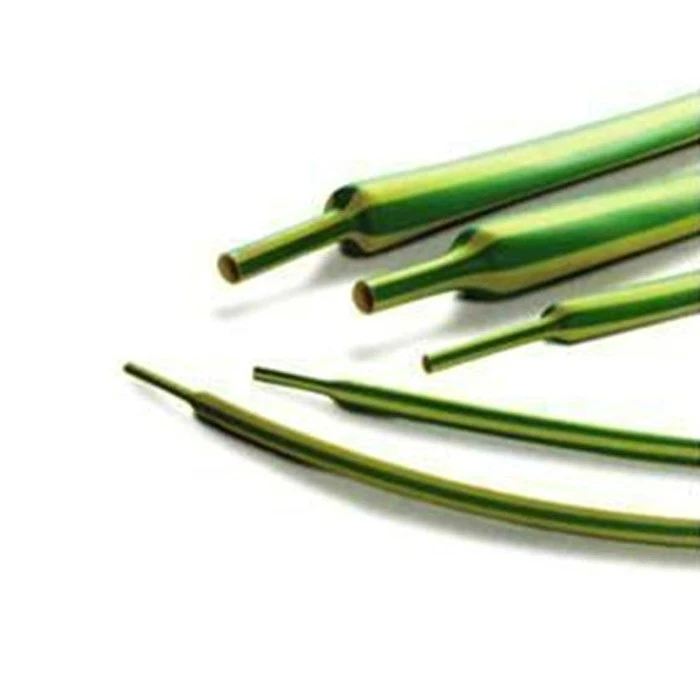
In addition to PTFE heat shrink tubes, we also offer other types of heat shrink tubes, such as Polyolefin Heat Shrink Tube, Yellow-green Heat Shrink Tube, and Black Heat Shrink Tube. These tubes are suitable for a variety of applications and offer different properties and features.

If you are interested in learning more about our products or have any specific requirements, please feel free to reach out to us. We look forward to working with you and providing you with the best heat shrink tube solutions.
References
- "PTFE Heat Shrink Tubing: Properties and Applications" - Industry research report
- "Heat Shrink Tubing Handbook" - Manufacturer's guide