

Hey there! As a supplier of Silica Gel Tubes, I've dealt with a common issue that many of you might be facing: static electricity on silica gel tubes. It's a nuisance that can cause all sorts of problems, from attracting dust and debris to potentially damaging sensitive electronic components. In this blog post, I'm going to share some practical tips on how to prevent static electricity on your silica gel tubes.
Understanding Static Electricity on Silica Gel Tubes
Before we dive into the prevention methods, let's quickly understand what causes static electricity on silica gel tubes. Static electricity is the result of an imbalance of electric charges within or on the surface of a material. When two materials come into contact and then separate, electrons can transfer from one material to the other. This creates a positive charge on one material and a negative charge on the other.
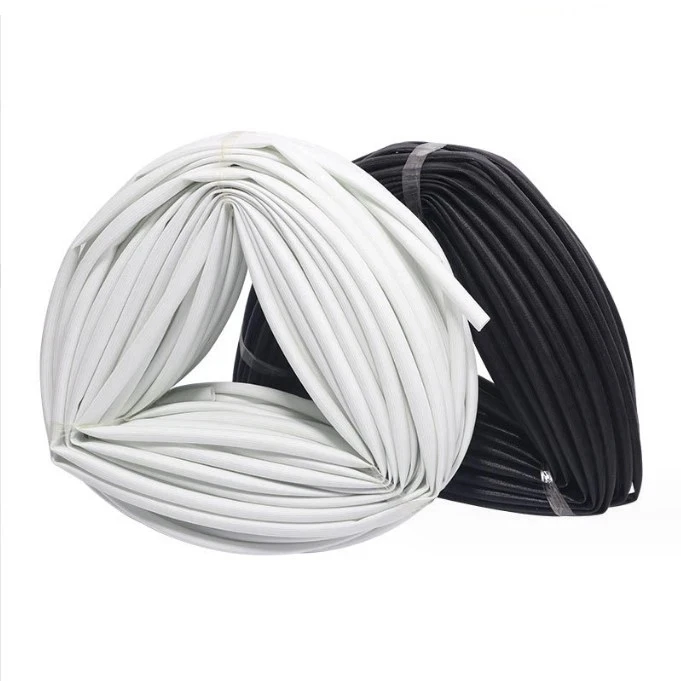
Silica gel tubes are made of silicone rubber, which is an insulator. Insulators don't conduct electricity well, so the electric charges tend to build up on the surface of the tube. This build-up of static electricity can lead to the problems I mentioned earlier.
1. Humidity Control
One of the simplest and most effective ways to prevent static electricity is to control the humidity in the environment where the silica gel tubes are stored or used. Static electricity is more likely to build up in dry conditions because there are fewer moisture molecules in the air to conduct the electric charges away.
You can increase the humidity in the room by using a humidifier. Aim for a relative humidity level of around 40-60%. This will help to reduce the static charge on the silica gel tubes. Just make sure not to overdo it, as too much humidity can also cause problems, such as mold growth.
2. Anti-Static Sprays
Anti-static sprays are another great option for preventing static electricity on silica gel tubes. These sprays contain chemicals that help to neutralize the electric charges on the surface of the tube.
To use an anti-static spray, simply spray it evenly on the surface of the silica gel tube and then wipe it off with a clean cloth. Make sure to follow the instructions on the spray bottle carefully. Some anti-static sprays may need to be reapplied periodically to maintain their effectiveness.

3. Grounding
Grounding is a technique that involves connecting the silica gel tube to a conductive surface, such as the ground or a metal object. This allows the electric charges to flow away from the tube and into the ground, preventing the build-up of static electricity.
You can ground the silica gel tube by using a grounding strap or a grounding wire. Attach one end of the strap or wire to the tube and the other end to a grounded object, such as a metal table or a grounding rod. This will provide a path for the electric charges to flow away from the tube.
4. Anti-Static Packaging
When storing or shipping silica gel tubes, it's important to use anti-static packaging. Anti-static packaging materials, such as anti-static bags and foam, are designed to prevent the build-up of static electricity.
These materials work by either conducting the electric charges away or by creating a barrier that prevents the charges from building up on the surface of the tube. Make sure to choose anti-static packaging that is suitable for the size and shape of your silica gel tubes.
5. Proper Handling
Proper handling of the silica gel tubes can also help to prevent static electricity. When handling the tubes, try to avoid rubbing them against other materials, as this can generate static electricity.
Instead, use clean, dry gloves or tools to handle the tubes. If possible, try to ground yourself before handling the tubes to prevent any static charge on your body from transferring to the tubes.
6. Anti-Static Flooring
If you're using the silica gel tubes in a manufacturing or industrial setting, consider installing anti-static flooring. Anti-static flooring is designed to conduct the electric charges away from the surface of the floor, preventing the build-up of static electricity.
There are several types of anti-static flooring available, including conductive vinyl, rubber, and epoxy. Choose the type of flooring that is best suited for your specific needs and budget.
7. Using Conductive Materials
Another option is to use conductive materials in conjunction with the silica gel tubes. For example, you can wrap the tubes with a conductive tape or place them in a conductive container.
These conductive materials will help to conduct the electric charges away from the silica gel tube, preventing the build-up of static electricity. Just make sure that the conductive materials are compatible with the silica gel tubes and do not cause any damage to them.
Our Other Tube Products
In addition to silica gel tubes, we also offer a range of other high-quality tube products. Check out our Self-winding Weaving Braided Mesh Tube, Glass Fiber Silicone Casing, and High Temperature Fiberglass Tube. These products are designed to meet the needs of various industries and applications.
Conclusion
Preventing static electricity on silica gel tubes is important to ensure their proper functioning and to avoid any potential damage to sensitive components. By following the tips I've shared in this blog post, you can effectively reduce the static charge on your silica gel tubes.
If you have any questions or need further assistance with preventing static electricity on silica gel tubes, or if you're interested in purchasing our silica gel tubes or other tube products, please don't hesitate to contact us. We're here to help you find the best solutions for your needs.
References
- "Static Electricity: Causes and Prevention." Science Buddies.
- "Anti-Static Products and Solutions." Electrostatic Discharge Association.
- "Humidity Control for Static Electricity Prevention." Indoor Air Quality Association.