

Hey there! As a supplier of silica gel tubes, I've seen my fair share of issues related to tube aging. Silica gel tubes are super useful in a bunch of industries, but over time, they can start to show signs of wear and tear. In this blog, I'm gonna share some tips on how to prevent a silica gel tube from aging, so you can get the most out of your investment.
Understanding Silica Gel Tube Aging
Before we dive into the prevention methods, it's important to know what causes silica gel tube aging. There are several factors that can contribute to this process:
1. Temperature
Extreme temperatures can have a big impact on silica gel tubes. High temperatures can cause the tube material to break down, become brittle, and lose its elasticity. On the other hand, very low temperatures can make the tube stiff and more prone to cracking.
2. UV Exposure
Ultraviolet (UV) rays from the sun can also damage silica gel tubes. Prolonged exposure to UV light can cause the tube to discolor, harden, and develop cracks on the surface.
3. Chemical Exposure
Contact with certain chemicals can accelerate the aging process of silica gel tubes. Harsh chemicals, solvents, and oils can react with the tube material, leading to degradation and reduced performance.
4. Mechanical Stress
Constant bending, stretching, or twisting of the tube can cause internal damage and weaken the structure. This can make the tube more susceptible to aging and failure over time.
Prevention Methods
Now that we know what causes silica gel tube aging, let's look at some ways to prevent it:
1. Control the Operating Temperature
One of the most important things you can do is to keep the operating temperature within the recommended range for the silica gel tube. If you're using the tube in a high-temperature environment, consider using insulation or cooling systems to reduce the heat. For low-temperature applications, you might want to use heating elements or keep the tube in a temperature-controlled area.
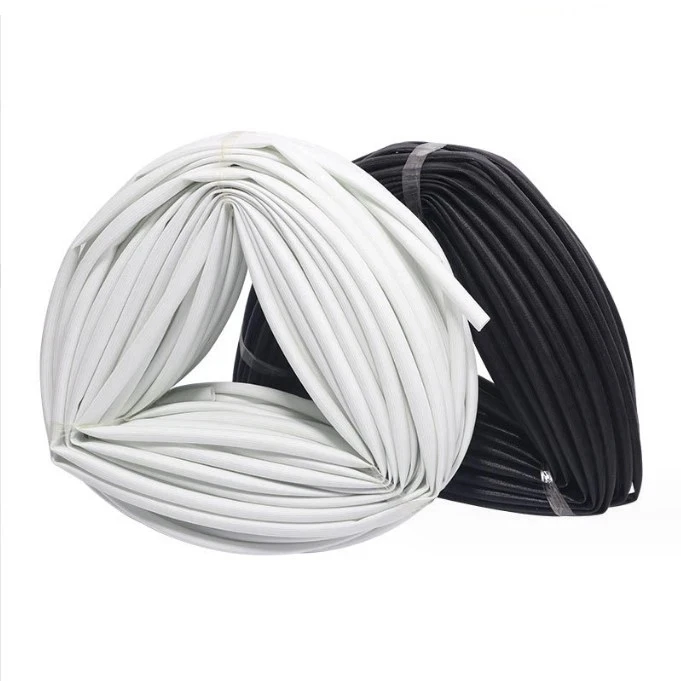

2. Protect from UV Light
To prevent UV damage, you can cover the silica gel tube with a UV-resistant sleeve or store it in a shaded area when not in use. There are also some special coatings available that can provide additional protection against UV rays.
3. Avoid Chemical Contact
Be careful about what chemicals the silica gel tube comes into contact with. Make sure to choose a tube that is compatible with the chemicals in your application. If you need to use chemicals near the tube, use proper shielding or barriers to prevent direct contact.
4. Minimize Mechanical Stress
Try to install the silica gel tube in a way that minimizes bending, stretching, and twisting. Use proper fittings and supports to keep the tube in place and reduce stress. If possible, avoid sharp bends and make sure the tube has enough flexibility to move without being overstretched.
5. Regular Inspection and Maintenance
It's a good idea to regularly inspect the silica gel tube for any signs of aging, such as cracks, discoloration, or loss of elasticity. If you notice any issues, replace the tube as soon as possible to prevent further damage. You can also clean the tube periodically to remove any dirt or debris that could contribute to aging.
Additional Tips
In addition to the above prevention methods, here are some other tips that can help extend the lifespan of your silica gel tube:
1. Choose the Right Tube
When selecting a silica gel tube, make sure to choose one that is suitable for your specific application. Consider factors such as temperature, pressure, chemical compatibility, and flexibility. You might also want to look into other types of tubes that could offer better performance in certain situations, like the Self-winding Weaving Braided Mesh Tube, High Temperature Fiberglass Tube, or Teflon Tube.
2. Store Properly
When not in use, store the silica gel tube in a cool, dry place away from direct sunlight and chemicals. Make sure to coil the tube properly to avoid any kinks or damage.
3. Follow Manufacturer's Instructions
Always follow the manufacturer's instructions for installation, use, and maintenance of the silica gel tube. This will ensure that you're using the tube correctly and getting the best performance out of it.
Conclusion
Preventing silica gel tube aging is all about being proactive and taking the right steps to protect your investment. By controlling the operating temperature, protecting from UV light, avoiding chemical contact, minimizing mechanical stress, and performing regular inspections, you can significantly extend the lifespan of your silica gel tube.
If you're in the market for high-quality silica gel tubes or have any questions about preventing tube aging, feel free to reach out to us. We're here to help you find the best solution for your needs and ensure that your tubes perform at their best for as long as possible. Let's start a conversation and see how we can work together!
References
- Various industry reports on rubber and plastic tube aging
- Manufacturer's guidelines for silica gel tube use and maintenance