

Hey there! As a supplier of braided cable sleeves, I've seen my fair share of fraying issues. It's a common problem that can not only make your cables look shabby but also compromise their safety and functionality. In this blog, I'll share some tips on how to prevent a braided cable sleeve from fraying, so you can keep your cables in top-notch condition.
Understanding the Causes of Fraying
Before we dive into the prevention methods, it's important to understand why braided cable sleeves fray in the first place. There are several factors that can contribute to this problem:
- Friction: Constant rubbing against other objects, such as furniture, walls, or other cables, can cause the fibers in the braided sleeve to wear down and eventually fray.
- Tension: Excessive pulling or stretching of the cable can put stress on the braided sleeve, leading to fraying at the ends or along the length of the sleeve.
- Age and Wear: Over time, the fibers in the braided sleeve can become brittle and weak, making them more prone to fraying.
- Environmental Factors: Exposure to harsh chemicals, extreme temperatures, or UV radiation can also damage the braided sleeve and cause it to fray.
Prevention Methods
Now that we know what causes fraying, let's look at some effective ways to prevent it:
1. Choose the Right Braided Cable Sleeve
The first step in preventing fraying is to choose a high-quality braided cable sleeve that is made from durable materials. Look for sleeves that are made from materials such as nylon, polyester, or fiberglass, as these materials are strong and resistant to wear and tear. You can also consider using a sleeve with a thicker wall or a tighter braid pattern, as these features can provide extra protection against fraying.
2. Use Cable Management Accessories
Cable management accessories, such as cable ties, cable clips, and cable organizers, can help to keep your cables organized and prevent them from rubbing against each other or other objects. By reducing friction, these accessories can help to extend the life of your braided cable sleeves and prevent fraying.
3. Avoid Overbending or Overstretching the Cable
When installing or using your cables, be careful not to overbend or overstretch them. Overbending or overstretching the cable can put stress on the braided sleeve and cause it to fray. Instead, try to keep the cable as straight as possible and avoid making sharp bends or kinks.
4. Protect the Ends of the Cable
The ends of the cable are particularly vulnerable to fraying, as they are often exposed to more friction and stress. To protect the ends of the cable, you can use a heat shrink tubing or a cable end cap. Heat shrink tubing is a type of plastic tubing that shrinks when heated, creating a tight seal around the end of the cable. Cable end caps, on the other hand, are small plastic or rubber caps that can be placed over the end of the cable to provide extra protection.
5. Apply a Protective Coating
Another way to prevent fraying is to apply a protective coating to the braided cable sleeve. There are several types of protective coatings available, such as silicone spray, fabric protector, or clear nail polish. These coatings can help to strengthen the fibers in the braided sleeve and make them more resistant to wear and tear.
6. Store the Cables Properly
When not in use, it's important to store your cables properly to prevent them from getting damaged. You can use a cable storage box or a cable organizer to keep your cables organized and protected. Make sure to store the cables in a cool, dry place away from direct sunlight and harsh chemicals.
7. Inspect and Maintain the Cables Regularly
Finally, it's important to inspect and maintain your cables regularly to catch any signs of fraying or damage early on. Check your cables for any signs of wear and tear, such as frayed edges, loose fibers, or discoloration. If you notice any damage, replace the cable or the braided sleeve immediately to prevent further damage.
Additional Tips
In addition to the prevention methods mentioned above, here are some additional tips that can help to prevent fraying:
- Use a Cable Sleeve Protector: A cable sleeve protector is a type of sleeve that is designed to fit over the braided cable sleeve and provide extra protection against fraying. These protectors are typically made from materials such as silicone or rubber and can be easily slipped on and off the cable.
- Avoid Using Harsh Chemicals: When cleaning your cables, avoid using harsh chemicals or abrasive cleaners, as these can damage the braided sleeve and cause it to fray. Instead, use a mild soap and water solution or a specialized cable cleaner.
- Replace Worn or Damaged Cables: If you notice that your cables are starting to fray or show signs of wear and tear, it's important to replace them as soon as possible. Using worn or damaged cables can not only pose a safety hazard but also affect the performance of your devices.
Conclusion
Fraying is a common problem that can affect the performance and lifespan of your braided cable sleeves. By following the prevention methods and tips outlined in this blog, you can help to keep your cables in top-notch condition and prevent fraying. Remember to choose the right braided cable sleeve, use cable management accessories, avoid overbending or overstretching the cable, protect the ends of the cable, apply a protective coating, store the cables properly, and inspect and maintain the cables regularly.
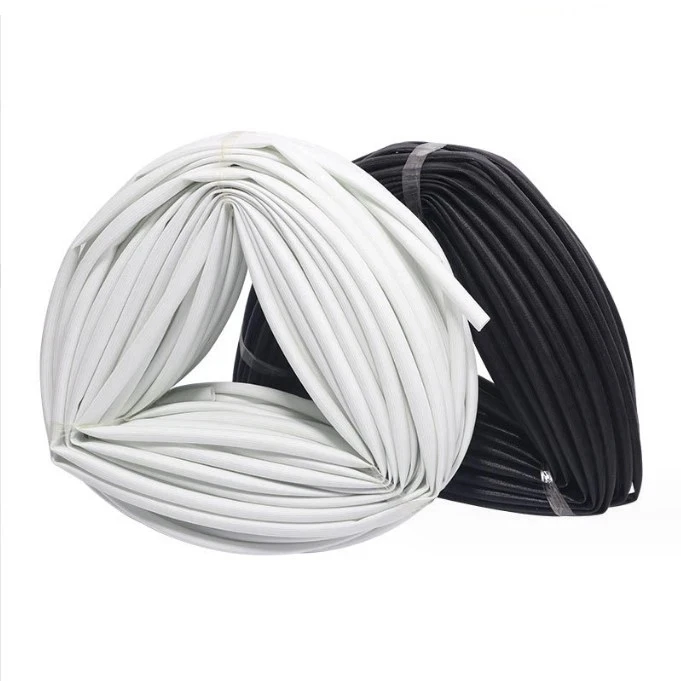

If you're in the market for high-quality braided cable sleeves, [Company Name] is here to help. We offer a wide range of braided cable sleeves in different materials, sizes, and colors to meet your specific needs. Our sleeves are made from durable materials and are designed to provide excellent protection against fraying and other types of damage. Contact us today to learn more about our products and how we can help you with your cable management needs.
References
- "Cable Management 101: How to Keep Your Cables Organized and Tidy." Lifewire, 2021.
- "How to Prevent Cable Fraying." The Spruce, 2021.
- "Choosing the Right Braided Cable Sleeve." CableOrganizer.com, 2021.