

How to Bend Corrugated PE Pipe Without Damaging It
As a trusted supplier of corrugated PE pipes, I've encountered numerous inquiries from customers regarding the proper techniques for bending these pipes without causing any damage. Corrugated PE pipes are widely used in various industries due to their flexibility, durability, and resistance to corrosion. However, bending them incorrectly can lead to cracks, kinks, or other forms of damage, which can compromise their performance and longevity. In this blog post, I'll share some valuable insights and practical tips on how to bend corrugated PE pipe without damaging it.

Understanding the Properties of Corrugated PE Pipe
Before we delve into the bending process, it's essential to understand the properties of corrugated PE pipe. Polyethylene (PE) is a thermoplastic polymer known for its high flexibility and impact resistance. The corrugated design of the pipe enhances its flexibility, allowing it to be bent easily without breaking. However, the bending radius of the pipe is limited, and exceeding this limit can cause damage.

The bending radius of corrugated PE pipe depends on several factors, including the pipe's diameter, wall thickness, and the type of polyethylene used. Generally, the larger the diameter of the pipe, the larger the bending radius required. It's crucial to refer to the manufacturer's specifications to determine the maximum allowable bending radius for your specific pipe.
Preparing for the Bending Process
Proper preparation is key to successful pipe bending. Here are some steps to follow before you start bending the corrugated PE pipe:
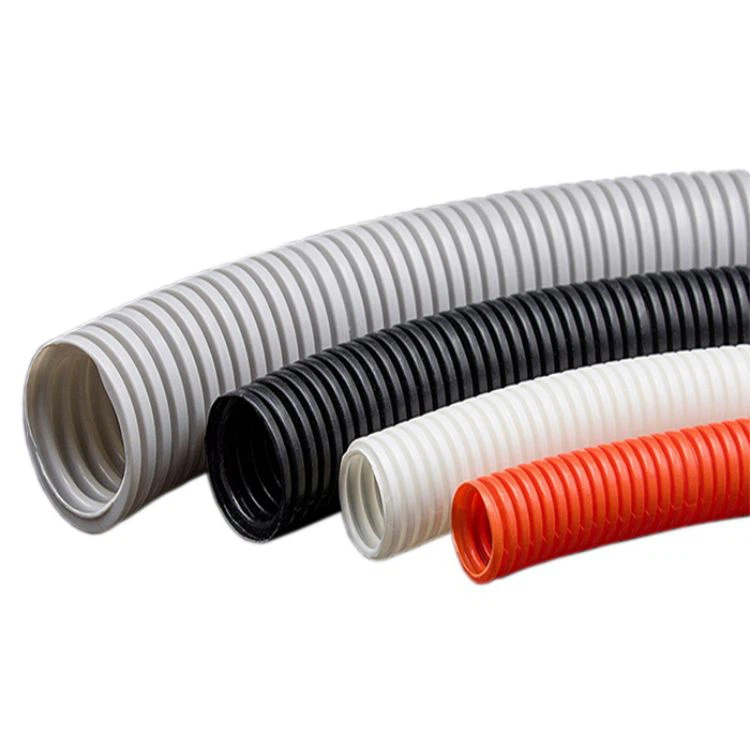
- Select the Right Tools: You'll need a few essential tools for bending corrugated PE pipe, including a pipe bender, a heat gun (if necessary), and a measuring tape. Make sure the tools are in good condition and suitable for the size and type of pipe you're working with.
- Measure and Mark the Pipe: Use a measuring tape to determine the desired length and bending point on the pipe. Mark the pipe with a permanent marker or tape to ensure accuracy.
- Clean the Pipe: Remove any dirt, debris, or moisture from the pipe's surface before bending. This will prevent any contaminants from getting trapped inside the pipe and causing damage.
- Support the Pipe: To prevent the pipe from kinking or collapsing during the bending process, it's important to support it properly. You can use a pipe support stand or a pair of clamps to hold the pipe in place.
Bending Techniques
There are several techniques you can use to bend corrugated PE pipe without damaging it. The method you choose will depend on the diameter of the pipe, the bending radius required, and the tools available. Here are some common bending techniques:
Cold Bending
Cold bending is the simplest and most common method of bending corrugated PE pipe. It involves using a pipe bender to gradually bend the pipe to the desired angle. Here's how to do it:
- Set Up the Pipe Bender: Place the pipe bender on a flat, stable surface and adjust it to the desired bending radius. Make sure the pipe bender is securely fastened to prevent it from moving during the bending process.
- Insert the Pipe: Carefully insert the corrugated PE pipe into the pipe bender, aligning it with the bending die. Make sure the pipe is centered and straight before you start bending.
- Apply Pressure: Slowly apply pressure to the pipe bender's handle, gradually bending the pipe to the desired angle. Be careful not to apply too much pressure too quickly, as this can cause the pipe to kink or crack.
- Check the Bending Angle: Use a protractor or a measuring tape to check the bending angle of the pipe. If necessary, make any adjustments by applying more or less pressure to the pipe bender's handle.
- Remove the Pipe: Once the pipe has been bent to the desired angle, carefully remove it from the pipe bender. Inspect the pipe for any signs of damage, such as cracks or kinks.
Heat Bending
Heat bending is a more advanced method of bending corrugated PE pipe that involves using a heat gun to soften the pipe before bending. This method is typically used for larger diameter pipes or when a smaller bending radius is required. Here's how to do it:

- Prepare the Heat Gun: Set the heat gun to the appropriate temperature for the type of polyethylene used in the pipe. Refer to the manufacturer's specifications for the recommended temperature range.
- Heat the Pipe: Hold the heat gun about 2-3 inches away from the pipe's surface and move it back and forth evenly to heat the pipe. Make sure to heat the entire area where the bend will be made.
- Bend the Pipe: Once the pipe has been heated to the appropriate temperature, use a pipe bender or your hands to gradually bend the pipe to the desired angle. Be careful not to overheat the pipe, as this can cause it to melt or deform.
- Cool the Pipe: After the pipe has been bent to the desired angle, allow it to cool completely before handling it. This will help the pipe retain its shape and prevent it from springing back.
- Inspect the Pipe: Once the pipe has cooled, inspect it for any signs of damage, such as cracks or kinks. If necessary, make any adjustments by reheating the pipe and bending it further.
Tips for Avoiding Damage
To ensure a successful bending process and avoid damaging the corrugated PE pipe, here are some additional tips to keep in mind:
- Use the Right Bending Radius: Always refer to the manufacturer's specifications to determine the maximum allowable bending radius for your specific pipe. Exceeding this limit can cause the pipe to crack or kink.
- Avoid Sharp Bends: Sharp bends can cause stress concentrations in the pipe, which can lead to cracks or other forms of damage. Whenever possible, use a gradual bend with a larger radius.
- Don't Overheat the Pipe: Overheating the pipe can cause it to melt or deform, making it difficult to bend and compromising its structural integrity. Make sure to use the appropriate temperature setting on your heat gun and monitor the pipe closely while heating it.
- Support the Pipe Properly: To prevent the pipe from kinking or collapsing during the bending process, it's important to support it properly. Use a pipe support stand or a pair of clamps to hold the pipe in place.
- Inspect the Pipe Regularly: Before, during, and after the bending process, inspect the pipe for any signs of damage, such as cracks, kinks, or deformation. If you notice any damage, stop the bending process immediately and replace the pipe.
Conclusion
Bending corrugated PE pipe without damaging it requires careful planning, proper preparation, and the use of the right tools and techniques. By following the tips and guidelines outlined in this blog post, you can ensure a successful bending process and achieve the desired results.
If you're in the market for high-quality corrugated PE pipes, we've got you covered. We offer a wide range of corrugated PE pipes, including Flame Retardant Corrugated Tube, Orange Corrugated Tube, and Precision Corrugated Tube. Our pipes are made from the highest quality materials and are designed to meet the most demanding applications.
Whether you're a contractor, installer, or DIY enthusiast, we're here to help you find the right corrugated PE pipe for your project. Contact us today to discuss your requirements and learn more about our products and services. We look forward to working with you!
References
- "Plastic Pipe and Fittings Handbook" by Charles A. Harper
- "Polyethylene Pipes: Design and Installation" by the Plastics Pipe Institute
- Manufacturer's specifications for corrugated PE pipes