

PFA corrugated tubes have gained significant popularity in various industries due to their excellent chemical resistance, high-temperature tolerance, and flexibility. As a supplier of PFA corrugated tubes, I often receive inquiries from customers about the suitability of these tubes for outdoor applications. In this blog post, I will delve into the factors that determine whether PFA corrugated tubes can be used outdoors and provide some insights based on my experience in the industry.
Understanding PFA Corrugated Tubes
Before discussing the outdoor use of PFA corrugated tubes, it is essential to understand their properties. PFA, or perfluoroalkoxy alkane, is a fluoropolymer known for its outstanding chemical resistance, low friction coefficient, and high transparency. PFA corrugated tubes are made by extruding PFA resin into a corrugated shape, which provides flexibility and allows for easy installation and routing.

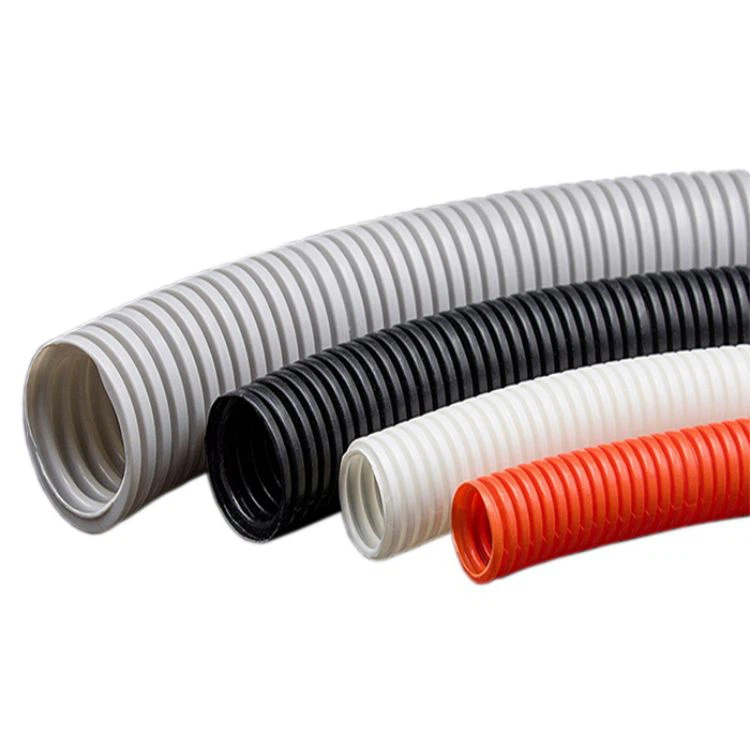
These tubes are commonly used in applications where chemical resistance, high-temperature stability, and flexibility are required, such as in the chemical processing, semiconductor, and automotive industries. They are also used for protecting wires and cables from mechanical damage, abrasion, and environmental factors.
Factors Affecting the Outdoor Use of PFA Corrugated Tubes
Several factors need to be considered when determining whether PFA corrugated tubes can be used outdoors. These factors include:
1. UV Resistance
Ultraviolet (UV) radiation from the sun can cause degradation of polymers over time, leading to discoloration, embrittlement, and loss of mechanical properties. PFA is generally considered to have good UV resistance, but prolonged exposure to direct sunlight can still have an impact on its performance.
To enhance the UV resistance of PFA corrugated tubes, some manufacturers may add UV stabilizers to the resin during the manufacturing process. These stabilizers help to absorb and dissipate UV radiation, reducing the risk of degradation. However, it is important to note that the effectiveness of UV stabilizers may vary depending on the specific formulation and the intensity and duration of UV exposure.
2. Temperature Extremes
Outdoor environments can experience a wide range of temperatures, from extreme cold to high heat. PFA has a high melting point and can withstand temperatures up to 260°C (500°F), making it suitable for use in high-temperature applications. However, in cold temperatures, PFA can become more brittle and less flexible, which may increase the risk of cracking or breaking.
It is important to consider the minimum and maximum temperatures in the outdoor environment where the PFA corrugated tubes will be used. If the temperature drops below the recommended operating range, additional insulation or protection may be required to prevent damage to the tubes.
3. Moisture and Humidity
Moisture and humidity can also affect the performance of PFA corrugated tubes. While PFA is generally resistant to water and most chemicals, prolonged exposure to high humidity or immersion in water can cause swelling and degradation of the polymer.
In outdoor applications, it is important to ensure that the PFA corrugated tubes are properly sealed and protected from moisture. This may involve using appropriate connectors, gaskets, or seals to prevent water from entering the tubes. Additionally, regular inspections should be conducted to check for signs of moisture damage, such as discoloration or softening of the tubes.
4. Chemical Exposure
Outdoor environments may expose PFA corrugated tubes to a variety of chemicals, including pollutants, pesticides, and cleaning agents. PFA is known for its excellent chemical resistance, but it is important to consider the specific chemicals that the tubes may come into contact with and their compatibility with PFA.
Before using PFA corrugated tubes outdoors, it is recommended to consult the chemical resistance chart provided by the manufacturer to ensure that the tubes are suitable for the intended application. In some cases, additional protective coatings or linings may be required to enhance the chemical resistance of the tubes.
5. Mechanical Stress
Outdoor environments can subject PFA corrugated tubes to mechanical stress, such as vibration, bending, and impact. The corrugated design of the tubes provides some flexibility and resistance to mechanical stress, but excessive stress can still cause damage to the tubes.
When installing PFA corrugated tubes outdoors, it is important to ensure that they are properly supported and secured to prevent excessive movement or vibration. Additionally, care should be taken to avoid sharp bends or kinks in the tubes, as these can weaken the structure and increase the risk of failure.
Applications of PFA Corrugated Tubes Outdoors
Despite the challenges associated with outdoor use, PFA corrugated tubes can be used in a variety of outdoor applications where their unique properties are required. Some common applications include:
1. Solar Power Systems
PFA corrugated tubes are often used in solar power systems to protect the wiring and cables from environmental factors, such as UV radiation, moisture, and temperature extremes. The tubes provide a flexible and durable solution for routing and protecting the electrical components of the solar panels, ensuring reliable performance and long-term durability.
2. Outdoor Lighting
In outdoor lighting applications, PFA corrugated tubes can be used to protect the wiring and cables from damage caused by weather conditions, such as rain, snow, and wind. The tubes also provide a neat and organized appearance, making it easier to install and maintain the lighting fixtures.
3. Telecommunications
PFA corrugated tubes are used in telecommunications applications to protect the fiber optic cables and wiring from mechanical damage, abrasion, and environmental factors. The tubes provide a flexible and lightweight solution for routing and protecting the cables, ensuring reliable communication and data transmission.
4. Industrial Equipment
In industrial settings, PFA corrugated tubes can be used to protect the wiring and cables of outdoor equipment, such as pumps, motors, and control panels. The tubes provide a high level of chemical resistance and mechanical protection, ensuring the safe and reliable operation of the equipment.
Conclusion
In conclusion, PFA corrugated tubes can be used outdoors in a variety of applications, provided that the appropriate factors are considered and the necessary precautions are taken. While PFA has good UV resistance, temperature tolerance, and chemical resistance, it is important to ensure that the tubes are properly installed, supported, and protected from environmental factors.
As a supplier of PFA corrugated tubes, I recommend consulting with our technical experts to determine the suitability of our products for your specific outdoor application. We can provide you with detailed information about the properties and performance of our tubes, as well as guidance on installation and maintenance.
If you are interested in purchasing PFA corrugated tubes for your outdoor project, please feel free to contact us for more information and to discuss your requirements. We offer a wide range of PFA corrugated tubes in different sizes, colors, and specifications to meet your needs. You can also explore our other products, such as ETFE Corrugated Tube, Orange Corrugated Tube, and Automotive Wiring Harness Corrugated Tube.
References
- "Fluoropolymers: Properties, Processing, and Applications" by John Scheirs and Thomas K. Campbell
- "Handbook of Thermoplastics" by O. Olabisi
- Manufacturer's technical data sheets and product literature