

Can heat shrink tubing be used for electronic circuit boards? This is a question that many electronics enthusiasts, engineers, and manufacturers often ask. As a supplier of heat shrink tubing, I am here to provide you with a comprehensive answer based on scientific facts and practical experience.
Understanding Heat Shrink Tubing
Heat shrink tubing is a versatile material made from various polymers such as polyolefin, PVC, and fluoropolymers. It has the unique property of shrinking when exposed to heat, typically to about half of its original diameter. This shrinkage is what makes it useful in a wide range of applications, including electrical insulation, mechanical protection, and cable management.
The process of using heat shrink tubing is relatively simple. First, you select a tube with an appropriate diameter that can fit over the component or wire you want to cover. Then, you slide the tube into place and apply heat using a heat gun, oven, or other heat source. As the tube heats up, it shrinks tightly around the object, creating a secure and protective layer.
Advantages of Using Heat Shrink Tubing on Electronic Circuit Boards
There are several compelling reasons why heat shrink tubing can be an excellent choice for electronic circuit boards:
Electrical Insulation
One of the primary functions of heat shrink tubing is to provide electrical insulation. In electronic circuit boards, where there are numerous conductive traces and components, it is crucial to prevent short circuits and electrical interference. Heat shrink tubing can cover exposed wires, terminals, and connections, reducing the risk of accidental contact and ensuring the safe operation of the circuit.
For example, if you have a wire that needs to cross over a conductive trace on the circuit board, you can use heat shrink tubing to insulate the wire and prevent it from shorting out the trace. This is especially important in high - voltage or high - current applications where the consequences of a short circuit can be severe.
Mechanical Protection
Electronic circuit boards are often subject to mechanical stress, such as vibration, bending, and impact. Heat shrink tubing can act as a protective layer, shielding the components and wires from physical damage. It can absorb some of the shock and prevent the wires from breaking or the components from becoming loose.
For instance, in automotive electronics or industrial control systems, where the circuit boards are exposed to harsh environments and vibrations, heat shrink tubing can significantly improve the reliability and durability of the circuits.
Environmental Protection
Heat shrink tubing can also provide protection against environmental factors such as moisture, dust, and chemicals. Some types of heat shrink tubing, like the Oil Resistant Heat Shrink Tubing, are specifically designed to resist the effects of oil, grease, and other chemicals. This makes them suitable for use in applications where the circuit boards may be exposed to such substances.
In addition, heat shrink tubing can help to seal out moisture, which is a common cause of corrosion and electrical failure in electronic components. The Sealing Heat Shrink Tube is designed to provide a tight seal, protecting the circuit board from humidity and water ingress.
Color Coding and Identification
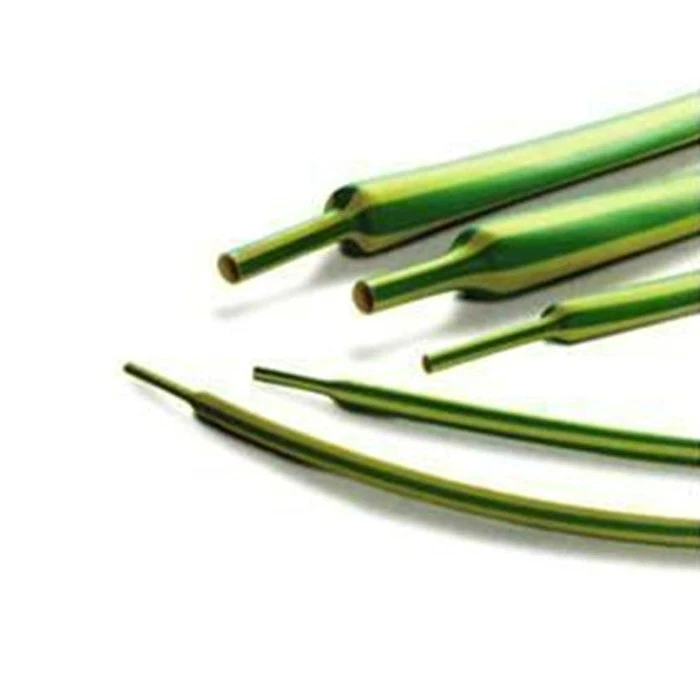
Heat shrink tubing comes in a variety of colors, which can be used for color - coding and identification purposes on electronic circuit boards. This makes it easier for technicians to troubleshoot and maintain the circuits. For example, you can use different colors of heat shrink tubing to distinguish between power wires, signal wires, and ground wires. The Yellow - green Heat Shrink Tube is a popular choice for grounding applications due to its standard color code.
Considerations When Using Heat Shrink Tubing on Electronic Circuit Boards
While heat shrink tubing offers many benefits, there are also some considerations to keep in mind:

Temperature Resistance
Electronic circuit boards can generate heat during operation, and the heat shrink tubing must be able to withstand the operating temperature of the circuit. Different types of heat shrink tubing have different temperature ratings, so it is essential to select a tubing that can handle the maximum temperature of the application.
Shrink Ratio
The shrink ratio of the heat shrink tubing determines how much it will shrink when heated. You need to choose a tubing with an appropriate shrink ratio to ensure a proper fit over the components or wires. If the shrink ratio is too small, the tubing may not shrink enough to provide a tight seal, while if it is too large, the tubing may become too thin and lose its protective properties.
Application Method
Applying heat shrink tubing on a circuit board requires some skill and care. If the heat is applied unevenly or too much heat is used, it can damage the components or the circuit board itself. It is important to follow the manufacturer's instructions for the proper application of heat shrink tubing, including the recommended heat source and heating time.
Types of Heat Shrink Tubing Suitable for Electronic Circuit Boards
There are several types of heat shrink tubing that are well - suited for electronic circuit boards:
Polyolefin Heat Shrink Tubing
Polyolefin heat shrink tubing is one of the most commonly used types for electronic applications. It has excellent electrical insulation properties, good mechanical strength, and a wide range of temperature resistance. It is also available in various colors, making it suitable for color - coding.
Fluoropolymer Heat Shrink Tubing
Fluoropolymer heat shrink tubing, such as PTFE (Teflon) tubing, offers high - temperature resistance, chemical resistance, and low friction. It is often used in applications where the circuit board is exposed to extreme temperatures or harsh chemicals.
PVC Heat Shrink Tubing
PVC heat shrink tubing is a cost - effective option for general - purpose applications. It has good electrical insulation properties and is easy to work with. However, it may not be suitable for high - temperature or high - performance applications.
Conclusion
In conclusion, heat shrink tubing can be a valuable addition to electronic circuit boards. It provides electrical insulation, mechanical protection, environmental protection, and color - coding capabilities. However, it is important to choose the right type of heat shrink tubing based on the specific requirements of the application and to apply it correctly.
If you are interested in purchasing heat shrink tubing for your electronic circuit board projects, we are here to help. We offer a wide range of high - quality heat shrink tubing products, including the Yellow - green Heat Shrink Tube, Oil Resistant Heat Shrink Tubing, and Sealing Heat Shrink Tube. Contact us today to discuss your specific needs and start a procurement negotiation.
References
- "Handbook of Electronic Packaging Technology" by Richard C. Jaeger
- "Electrical Insulation Materials: Properties and Applications" by A. K. Jonscher