

Hey there! As a supplier of heat shrink tubing, I often get asked if our product can be used for automotive applications. Well, the short answer is yes! Heat shrink tubing is incredibly versatile and can be a game-changer in the automotive world. In this blog, I'll break down why heat shrink tubing is a great fit for cars, trucks, and other vehicles.
What is Heat Shrink Tubing?
Before we dive into automotive uses, let's quickly go over what heat shrink tubing is. It's basically a plastic tube that shrinks when heat is applied. You slide it over whatever you want to protect or insulate, then use a heat gun or another heat source to make it shrink tightly around the object. This creates a snug, protective layer that can do a whole bunch of useful things.
Why Use Heat Shrink Tubing in Automotive Applications?
1. Electrical Insulation
One of the most important aspects of any vehicle is its electrical system. There are tons of wires running all over the place, and if they're not properly insulated, it can lead to all sorts of problems like short circuits, electrical fires, or just general malfunctions. Heat shrink tubing is a fantastic solution for this. It provides excellent electrical insulation, protecting the wires from moisture, dirt, and abrasion.
For example, when you're working on a car's wiring harness, you can use heat shrink tubing to cover any exposed or spliced wires. This not only keeps the electrical system safe but also helps to extend the lifespan of the wires. You can find different sizes and colors of heat shrink tubing to suit your specific needs. Check out our Black Heat Shrink Tube for a classic and reliable option.
2. Mechanical Protection
In addition to electrical insulation, heat shrink tubing also offers mechanical protection. The engine compartment of a vehicle is a tough environment. There are moving parts, vibrations, and high temperatures. Wires can easily get pinched, rubbed, or damaged by these conditions. Heat shrink tubing acts as a shield, preventing the wires from being damaged by mechanical forces.
Let's say you have a wire running near a moving belt or a vibrating component. By covering the wire with heat shrink tubing, you can reduce the risk of it getting frayed or cut. This is especially important for critical systems like the engine control unit or the airbag system.
3. Color Coding
Color coding is another useful feature of heat shrink tubing in automotive applications. You can use different colors of heat shrink tubing to identify different wires or circuits. This makes it much easier to troubleshoot electrical problems and to perform maintenance or repairs.
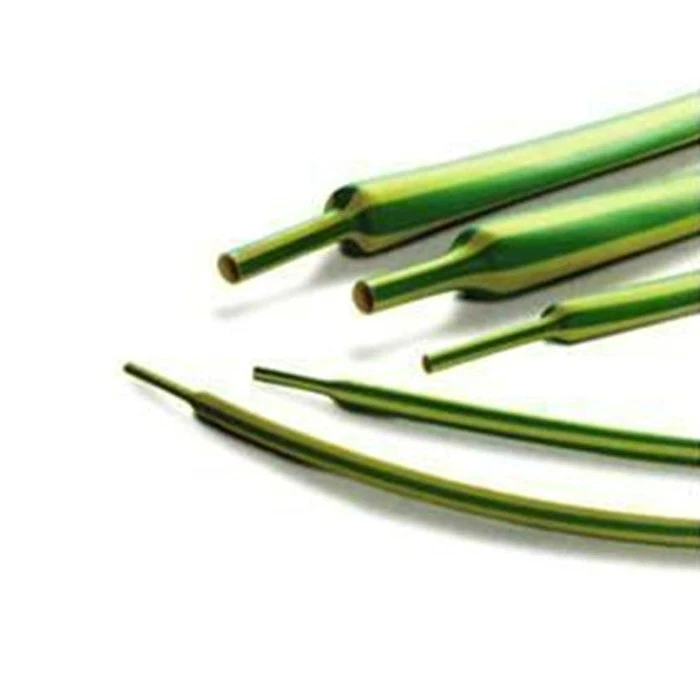
For instance, you could use Yellow-green Heat Shrink Tube to mark the ground wires, or different colors for different electrical functions like lighting, ignition, or audio systems. This simple color-coding system can save a lot of time and effort when working on a vehicle's electrical system.
4. Sealing and Waterproofing
Vehicles are often exposed to water, whether it's from rain, car washes, or driving through puddles. Moisture can cause corrosion and damage to electrical components. Heat shrink tubing can be used to create a waterproof seal around wires and connectors.
When you heat the tubing, it not only shrinks but also forms a tight seal that keeps water out. This is particularly important for parts of the vehicle that are more likely to get wet, such as the undercarriage or the door panels. You can also use heat shrink tubing with adhesive lining for an even better seal. Our Communication Heat Shrink Tube is designed to provide excellent sealing properties, making it a great choice for automotive applications where waterproofing is crucial.
Specific Automotive Applications
1. Battery Terminals
Battery terminals are prone to corrosion, especially in older vehicles or in areas with high humidity. Heat shrink tubing can be used to protect the battery terminals from corrosion and to insulate them. You simply cut a piece of tubing to the appropriate length, slide it over the terminal, and heat it until it shrinks. This creates a protective barrier that helps to prevent corrosion and ensures a good electrical connection.
2. Wiring Harnesses
As mentioned earlier, wiring harnesses are a critical part of a vehicle's electrical system. Heat shrink tubing is commonly used to bundle and protect the wires in a wiring harness. It helps to keep the wires organized, reduces the risk of short circuits, and provides mechanical and electrical protection. When installing or repairing a wiring harness, using heat shrink tubing can make the job much easier and more reliable.
3. Electrical Connectors
Electrical connectors are another area where heat shrink tubing can be very useful. It can be used to insulate and protect the connectors from moisture, dirt, and corrosion. By covering the connectors with heat shrink tubing, you can improve the reliability of the electrical connections and reduce the risk of intermittent problems.
How to Choose the Right Heat Shrink Tubing for Automotive Applications
When choosing heat shrink tubing for automotive use, there are a few things to consider:
- Size: Make sure you choose the right size of tubing for the wires or components you're working with. The tubing should fit snugly over the object but not be too tight that it's difficult to slide on.
- Shrink Ratio: The shrink ratio indicates how much the tubing will shrink when heated. A higher shrink ratio means the tubing can be used for a wider range of sizes. For automotive applications, a shrink ratio of 2:1 or 3:1 is often a good choice.
- Temperature Rating: The temperature rating of the heat shrink tubing is important, especially in the engine compartment where temperatures can get quite high. Make sure the tubing can withstand the temperatures it will be exposed to in the vehicle.
- Material: There are different materials available for heat shrink tubing, such as polyolefin, PVC, and fluoropolymer. Polyolefin is a popular choice for automotive applications because it offers good electrical insulation, mechanical protection, and is relatively inexpensive.
Conclusion
In conclusion, heat shrink tubing is a great option for automotive applications. It provides electrical insulation, mechanical protection, color coding, and sealing properties. Whether you're a professional mechanic or a DIY enthusiast, using heat shrink tubing can help you to keep your vehicle's electrical system in top shape.

If you're interested in purchasing heat shrink tubing for your automotive projects, we're here to help. We offer a wide range of heat shrink tubing products, including the ones mentioned in this blog. Feel free to reach out to us to discuss your specific needs and to get more information about our products. We're always happy to assist you in finding the right heat shrink tubing for your automotive applications.
References
- "Automotive Electrical Systems Handbook"
- "Heat Shrink Tubing: A Comprehensive Guide"